The Most Common Mistakes UHNW Clients Make Before Hiring an Architect
One of the quiet truths in ultra‑luxury residential design is that most seven‑figure problems don’t happen during construction. They happen long before it, in the early decisions clients make without an architect at the table. I see it often, and gatekeepers see it too: brilliant families making well‑intentioned choices that unintentionally limit their future options, inflate costs, or compromise the long‑term potential of the estate.
It usually starts with land.
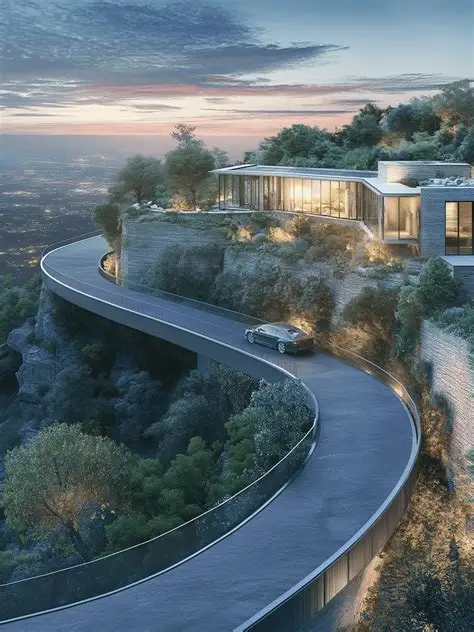
A client falls in love with a parcel because it looks simple, accessible, or “easy to build on.” A flat lot. A predictable boundary. A view that seems obvious. But easy land is rarely valuable land. Easy land produces interchangeable homes. And interchangeable homes produce forgettable experiences. The most extraordinary estates, the ones that become generational anchors, are almost always built on land that pushes back. Slopes, rock formations, desert spires, water edges. Land that demands intention.
The second mistake is hiring a builder before hiring an architect. Builders are essential partners, but their job is to execute a vision - not define it. When a client commits to a builder first, they often lock themselves into assumptions about cost, method, and timeline before the design has even begun. It’s like choosing the surgery before diagnosing the condition. The architect’s role is to shape the strategy, reduce risk, and ensure the home lives beautifully for decades. Without that guidance, clients make decisions based on convenience rather than clarity.
Another common misunderstanding is believing that luxury equals size. A builder said to me recently, almost casually, “They want a big house, that’s what luxury means.” But the families I work with aren’t chasing square footage. They’re chasing sovereignty. A 12,000‑square‑foot home on flat land, dependent on the grid and municipal water, is fragile. A 6,000‑square‑foot home perched on a desert butte with regenerative systems built into its bones, that’s luxury. That’s autonomy. That’s a home that continues to function beautifully even when the world doesn’t.
The fourth mistake is assuming that systems can be added later. Micro‑grids, air‑to‑water generation, passive cooling, aquaponics - these aren’t accessories. They’re architectural decisions. They shape massing, orientation, circulation, and the relationship between the home and the land. When clients treat sovereignty as an add‑on, they end up with expensive retrofits instead of integrated resilience.
And finally, the most subtle mistake: believing that the architect’s value is drawings. Drawings are the artifact. The real value is the guidance; the risk reduction, the decision clarity, the long‑horizon thinking that prevents seven‑figure consequences before they appear. The architect protects the client’s time, investment, privacy, and lived experience. Without that protection, even the most beautiful home can become a burden.
Gatekeepers are the ones who can prevent these mistakes. You’re the first call clients make when they’re excited, inspired, or ready to move. You’re the ones who can say, “Before you buy the land, before you hire the builder, before you commit to anything — bring in the architect.” That single step can save millions, preserve optionality, and transform a project from a luxury home into a sovereign estate.
The families we serve don’t need more square footage. They need clarity. They need autonomy. They need homes that support them, not the other way around. And the sooner an architect enters the conversation, the sooner that future becomes possible.