The Architecture of Sovereignty
More and more, I’m seeing UHNW families move away from the idea of “luxury homes” and toward something far more grounded: sovereignty. Not in the dramatic sense, but in the deeply practical one - the desire to live well without depending on fragile systems or chaotic environments. They’re not chasing amenities anymore. They’re chasing autonomy.
The truth is, most luxury homes aren’t built for sovereignty. They’re built for display. They rely on municipal water, grid power, and supply chains that can fail without warning. They offer spectacle, not security. Comfort, not continuity. And clients are starting to feel that gap.
When I talk about sovereign estate design, I’m really talking about a shift in mindset. It begins with a simple question: How do we design a home that continues to function beautifully, even when the world doesn’t? That question changes everything - the land you choose, the systems you integrate, the way the architecture interacts with climate and terrain.
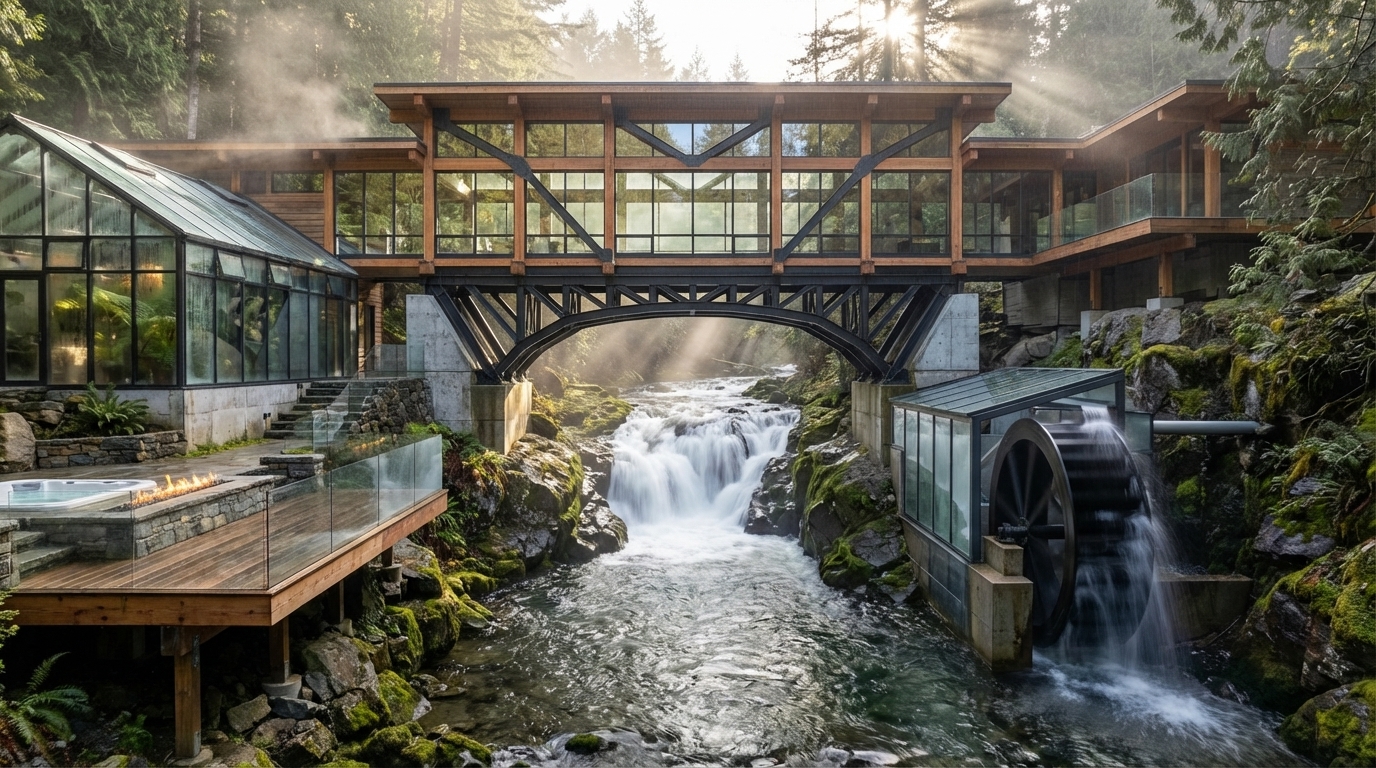
Sovereignty isn’t achieved through gadgets. It’s achieved through intention. Air‑to‑water systems, micro‑grids, passive cooling, natural landforms that provide security without announcing themselves - these aren’t add‑ons. They’re the architecture. They’re the quiet infrastructure that gives a family peace of mind.
I often tell clients: if sovereignty matters, the land must be chosen for its natural advantages, not its convenience. A sovereign estate isn’t a bunker. It’s a sanctuary. A place where life continues uninterrupted, no matter what happens outside the gate. And in a world that feels increasingly unpredictable, that kind of stability has become the new definition of luxury.