Architecture as Risk Management
Architecture has always carried a quiet responsibility that most people never see. Long before the first wall is framed or the first contractor walks the site, the architect is already shaping the project’s risk profile - financial, environmental, operational, emotional. This is why I often say that architecture is risk management long before it is design.
A builder once told me, “Clients hire you for the drawings.” But drawings are the artifact. The real work happens in the invisible layer beneath them - the decisions that prevent seven‑figure consequences years before construction begins. That’s the part UHNW families rarely see, and the part gatekeepers understand intuitively.
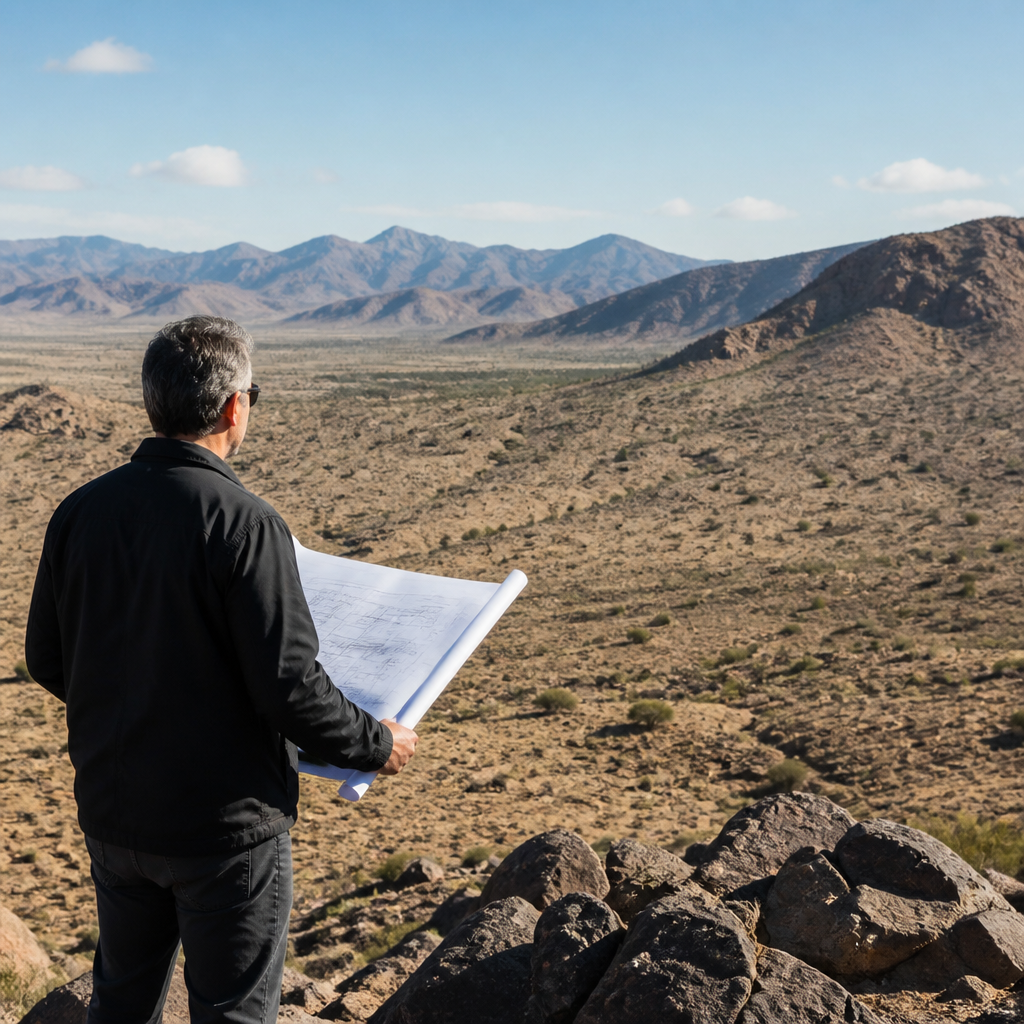
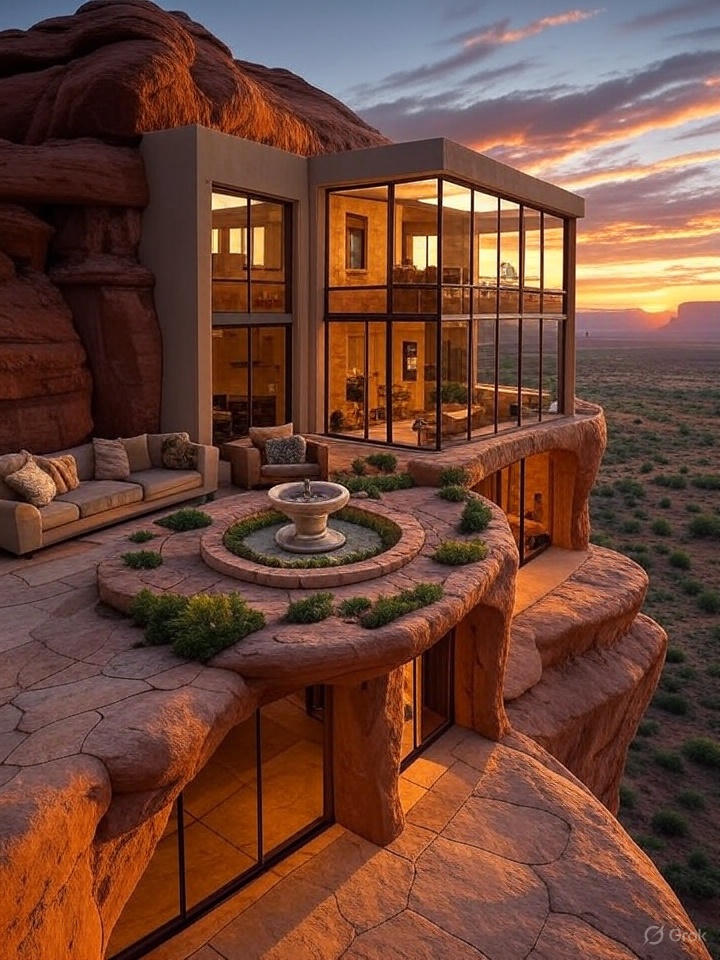
The earliest risk is land. A parcel that looks simple, flat, and “easy to build on” often carries hidden liabilities: exposure, lack of privacy, poor solar orientation, weak hydrology, or a view corridor that disappears the moment a neighbor builds. Meanwhile, the land that looks difficult - slopes, rock formations, desert buttes - often carries the strongest long‑term value because it cannot be replicated. The misunderstanding is thinking difficulty equals cost. In reality, difficulty equals uniqueness, and uniqueness is the only form of scarcity that matters. /
image
Another risk emerges when clients hire a builder before an architect. Builders are essential partners, but their job is execution, not strategy. When a client commits to a builder first, they lock themselves into assumptions about cost, method, and timeline before the design has even begun. It’s like choosing the treatment before diagnosing the condition. The architect’s role is to reduce decision fatigue, eliminate blind spots, and protect the client from choices that seem small but carry massive downstream consequences.
Then there’s the risk of designing for the present instead of the next 50 years. Trend‑driven decisions age quickly. Oversized homes become burdens. Systems that rely on municipal infrastructure become fragile. A home that looks impressive today can become obsolete tomorrow. Sovereign design - micro‑grids, air‑to‑water systems, passive cooling, regenerative infrastructure - isn’t about preparing for disaster. It’s about ensuring the home continues to function beautifully even when the world doesn’t. That’s long‑horizon risk management.
Gatekeepers are the ones who can prevent these mistakes. You’re the first call clients make when they’re inspired, excited, or ready to move. You’re the ones who can say, “Before you buy the land, before you hire the builder, bring in the architect.” That single step can save millions, preserve optionality, and transform a project from a luxury home into a sovereign estate.
Architecture is not just the creation of form. It’s the protection of future experience. It’s the quiet work of ensuring that every decision - land, systems, orientation, massing, materials - supports the client’s life for decades. When done well, the architecture disappears and the confidence remains. That’s risk management. That’s the real value.